Postoperative Instructions:
Dequervain’s Tenosynovitis
Contact phone number:
These instructions are general postoperative guidelines. Follow any specific instructions given by Dr. Swenson, as your individual care plan may vary.
Bandage and Incision Care
Day 1-5
Please keep your bandages clean, dry, and intact for 3-5 days. Do not remove your dressing unless your surgical team has instructed you to do so. Hand surgery bandages are used to protect the incision while it heals.
During this time, you may shower if your bandages can be kept completely dry. Cover the hand and wrist with a waterproof covering.
Day 5-14
At this point, you can remove your bandages and your splint, but you should still use a removable wrist brace until your first post op appointment. Avoid extremes of bending and twisting your wrist as this can cause tendon instability. You can shower and gently wash your hands. No scrubbing or aggressive cleaning of the surgical site. After washing the hand, please reapply a clean dry bandage. Your incision should not remain wet for extended periods of time. Do NOT soak the hand in a bathtub, hot tub, pool, or dishwater until cleared by your surgeon. No saunas or excessive sweating to the area until sutures are removed.
Do not apply ointments, lotions, creams, or powders to the incision unless directed by your surgeon..
Swelling and Elevation
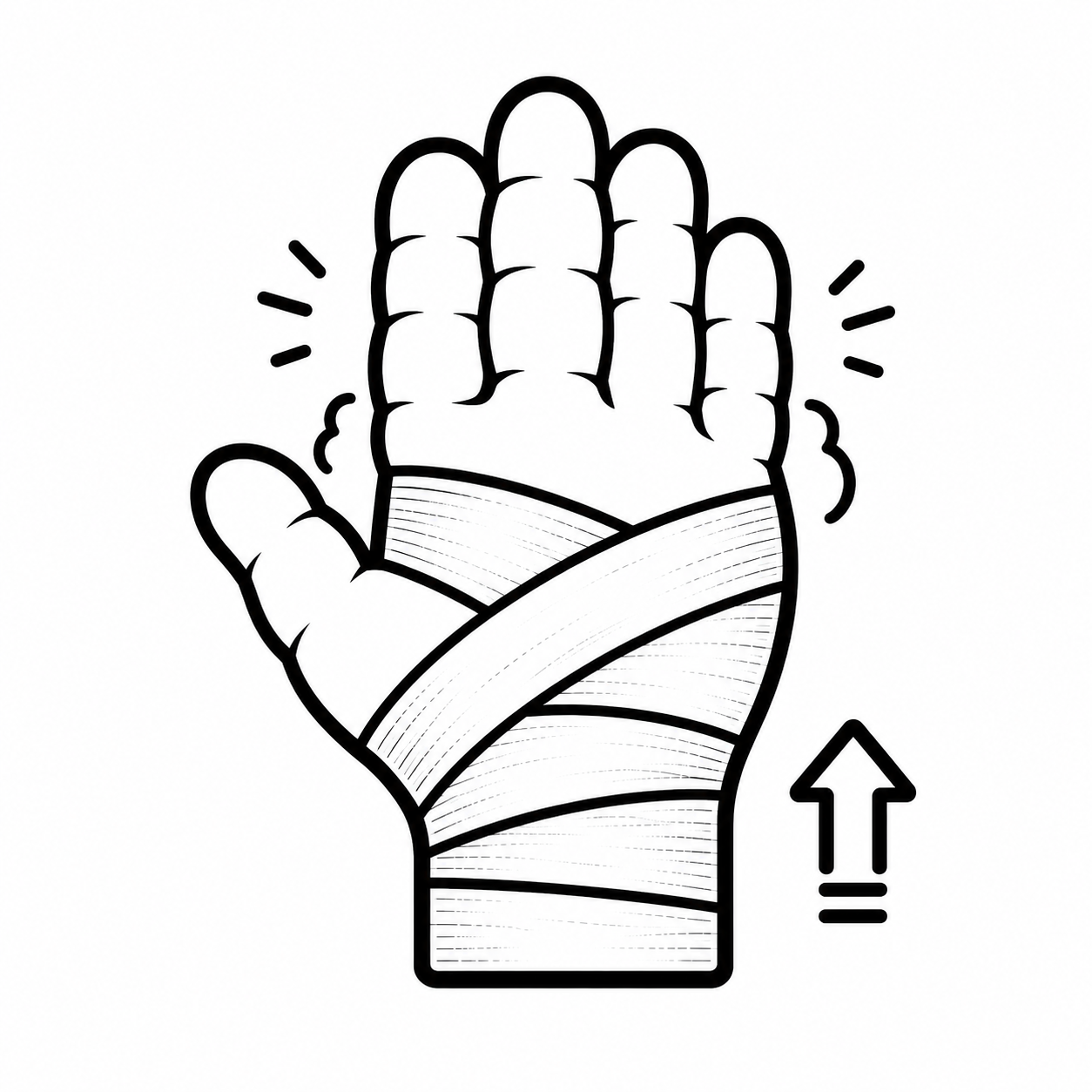
Keep your hand elevated as much as possible for the first several days after surgery. This helps reduce swelling and discomfort.
Move your fingers often to help prevent stiffness, unless you were told not to. Make a full fist and fully straighten the fingers several times per hour while awake limit swelling and edema.
Activity
Use your hand for normal light activities as tolerated, such as eating, dressing, and typing, unless instructed otherwise. You should use a wrist brace for support and stability for the first 2 weeks.
Avoid any activities that may rupture your sutures such as heavy lifting, gripping, pushing, pulling, or forceful hand use, until sutures are removed. Do not return to strenuous activity or manual work until your after your postoperative visit or until you receive specific clearance by Dr. Swenson.
Do not drive while taking narcotic pain medication or if your dressing, pain, or limited motion prevents safe control of the vehicle.

Pain Control
Some soreness, swelling, bruising, and stiffness are expected after surgery. Take pain medication only as prescribed.
You may use over-the-counter pain medication as approved by your surgical team. Do not exceed the recommended dose on the medication label.
Ice may be used over the dressing for 15-20 minutes, as long as the dressing stays dry. Do not place ice directly on the skin.

Numbness and pain
Numbness and tingling from the anesthetic often diminishes after 4-6 hours but your own experience may vary. It is common to experience decreased sensation on the back of the hand and thumb for days to weeks after the surgery. Pain usually resolves quickly after surgery, but irritation from existing tendon injury may take longer to normalize. Some pain and stiffness are are expected. Although uncommon, if activity is increased too quickly after surgery, tendon instability could theoretically occur. If you experience any snapping or instability of your tendons, please apply your brace and follow up for evaluation.

Follow-Up
Keep your scheduled postoperative appointment. Sutures, if present, are usually removed at a follow-up visit unless absorbable sutures were used. Some patients heal more quickly than others. If you have concerns that your sutures are becoming buried as your incision heals, please contact our team to possibly move up your appointment for wound evaluation and suture removal.
Hand therapy may be recommended depending on your recovery, stiffness, swelling, work demands etc.

Call our Office at (907) 562-2277 If You Have:
· Fever, chills, or feeling very ill
· Increasing redness, warmth, swelling, or worsening pain around the incision
· Drainage, pus, foul odor, or bleeding that soaks through the dressing
· Fingers that become cold, blue, very swollen, or difficult to move
· Numbness or tingling that suddenly worsens
· Severe pain not improved with medication, elevation, and rest
· A dressing that becomes wet, too tight, or comes off unexpectedly
· Increasing redness, warmth, swelling, or worsening pain around the incision
Emergency Care
Call 911 or go to the nearest emergency department immediately if you experience:
· Chest pain, pressure, or pain that spreads to your arm, back, neck, or jaw
· Shortness of breath, trouble breathing, or coughing up blood
· Sudden weakness, numbness, confusion, difficulty speaking, or facial drooping
· Fainting, severe dizziness, or loss of consciousness
· Heavy bleeding that does not stop with firm pressure
· Severe or worsening pain that is not controlled with prescribed medication
· A painful, red, swollen, or warm leg, especially in the calf
· Fever with shaking chills, confusion, rapid heartbeat, or feeling very ill
· New redness, warmth, swelling, pus-like drainage, or worsening pain around your incision
· An incision that opens, or drainage with a foul odor
· Persistent vomiting or inability to keep fluids down
· Any symptom that feels severe, sudden, or life-threatening
*This is not meant to be medical advice and does not constitute an exhaustive list of symptoms or reasons to seek care. If you are unsure whether your symptoms are an emergency, it is safest to seek medical care right away. For non-urgent questions during recovery, please contact our office or follow the instructions provided in your discharge paperwork. Always follow the specific instructions given by your surgeon and care team.